ASUS UGen300 Brings Generative AI Power to Edge Devices via USB
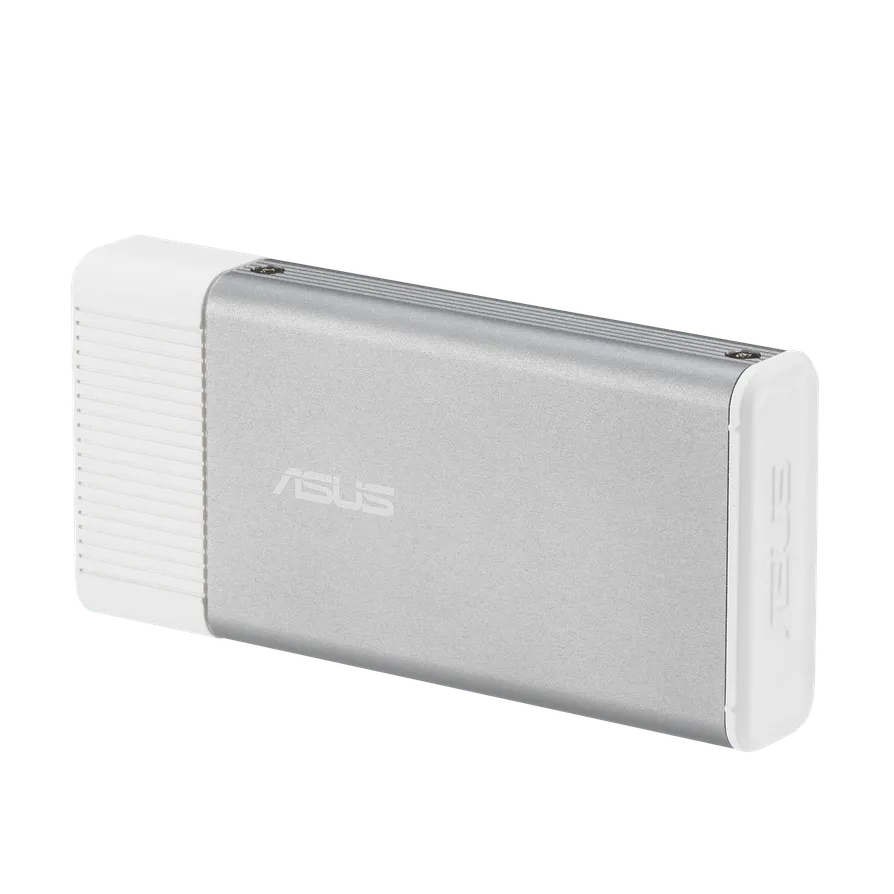
ASUS has officially announced the UGen300 USB AI Accelerator, a small device meant to provide an edge AI solution to allow ordinary computers to access generative AI capabilities without the need to own an AI computer or rely on cloud computing. In other words, this is an AI plug-in device that can potentially provide ordinary devices with access to AI capabilities via USB-C. ASUS claims that the UGen300 is the world’s first USB Edge AI Accelerator supporting both traditional AI and generative AI.
What is interesting about the launch is the emphasis it puts on practical edge AI capabilities instead of focusing on the numbers. The UGen300 is based on the Hailo-10H AI processor with up to 40 AI TOPS and 8GB of dedicated memory in the form of LPDDR4 RAM. The dedicated memory is significant in the sense that it ensures AI processing is not reliant on the system RAM at all times, which can impact system performance. It can handle workloads such as LLMs, VLMs, Whisper speech models, text generation, summarization of videos, and perception.
Also Read : Razer Blade 16 2026 Officially Unveiled With Next-Gen Gaming Power
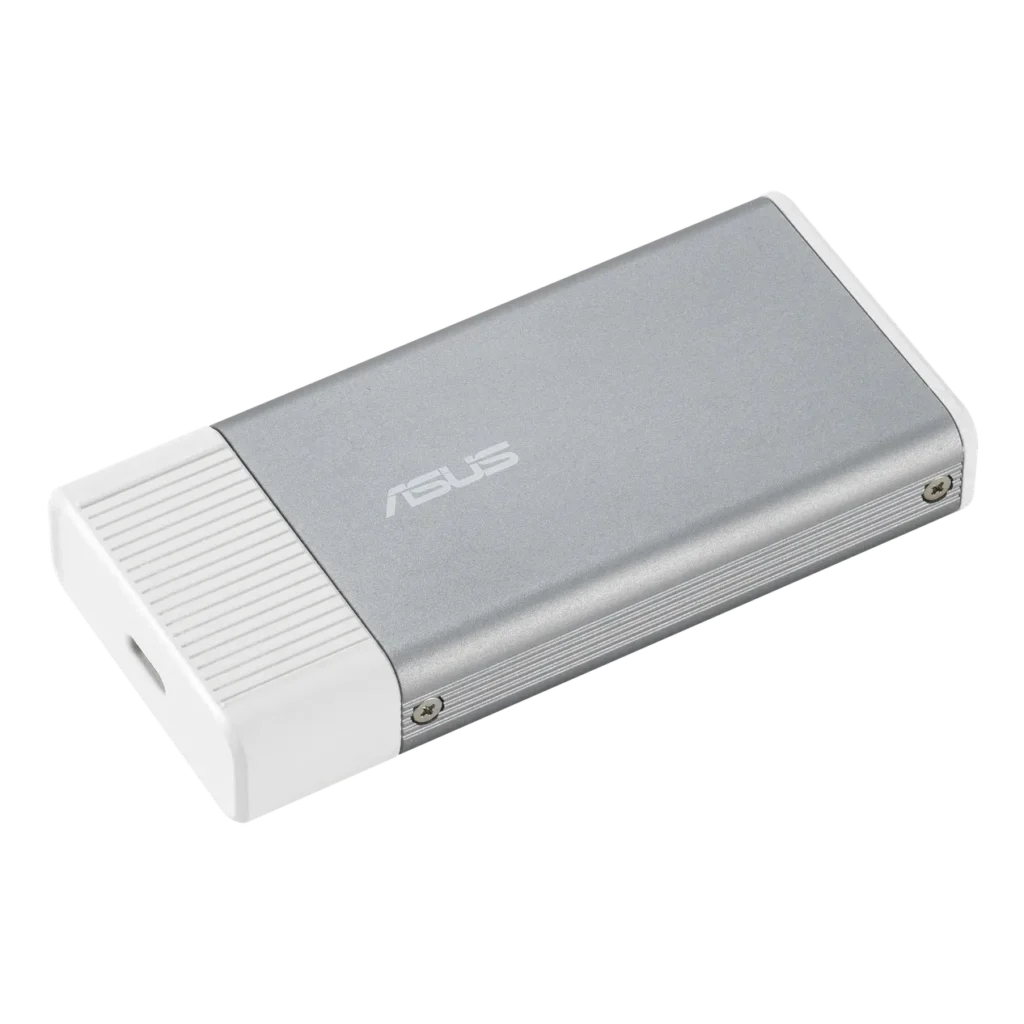
Another strength is the plug-and-play aspect. It can be connected via the USB Type-C port, which supports the USB 3.1 Gen 2 interface. ASUS claims that the device is compatible with Windows, Linux, and Android operating systems. This means the device is not limited to desktop computers. It could be useful for developers who need to test AI models, for use in industries, in classrooms, or even in small businesses that want to test AI without purchasing a high-end desktop computer. ASUS also mentions that the device is compatible with popular AI frameworks like TensorFlow, PyTorch, and ONNX.
From the perspective of the market, the UGen300 is perfectly positioned in the growing trend of personal low-latency AI computing. ASUS is obviously banking on the idea that many people will want their AI computing to be on their device, so data is never transmitted outside the device, never mind outside the premises. This is obviously attractive for those who want their AI computing to be secure from prying eyes, as well as those who don’t want the recurring costs of AI services. ASUS is quick to point out the low power consumption of the device, at around 2.5W.
Still, there are a few caveats. The company has said that the Windows driver support will be available in mid-May 2026. Additionally, the Android support is currently only available for B2B users. So, the hardware may be quite promising, but the actual experience may be dependent on the software experience. The company has said that the UGen Utility, which will be released in the near future, will allow users to validate and test over 100 pre-trained models. This may be the actual advantage of the device.
Also Read : Samsung Launches Galaxy Book6 in India With AI-Powered Performance and Premium Features
| Feature | Details |
|---|---|
| Product Name | ASUS UGen300 USB AI Accelerator |
| AI Processor | Hailo-10H |
| AI Performance | Up to 40 AI TOPS |
| Memory | 8GB LPDDR4 |
| Connectivity | USB 3.1 Gen 2 Type-C |
| OS Support | Windows, Linux, Android |
| Framework Support | TensorFlow, PyTorch, ONNX |
| Typical Power Use | 2.5W |
| Key Use Cases | LLMs, VLMs, speech AI, edge inference |
| Launch Highlight | On-device generative AI via USB |
ASUS UGen300 seems like a very smart move in terms of the AI accessory. The device may not be as powerful as a GPU workstation, but it may be quite useful.